
千方百计爱上你
“运河漫游记”开启_我的网站

A |
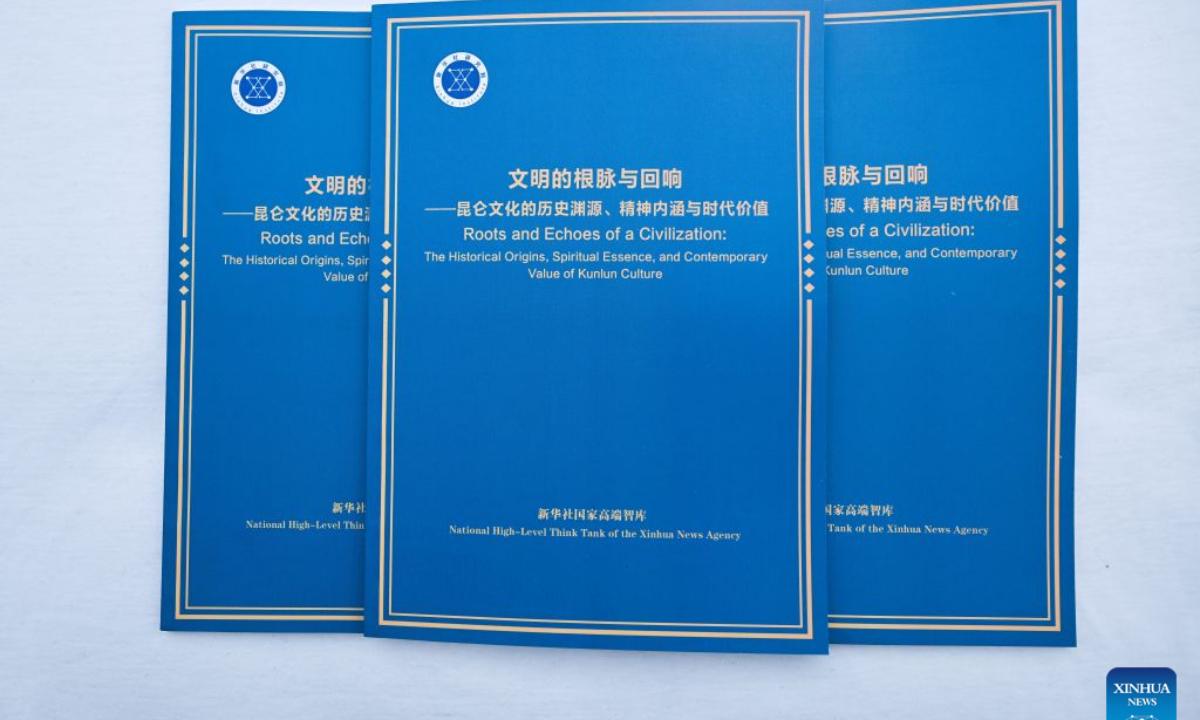
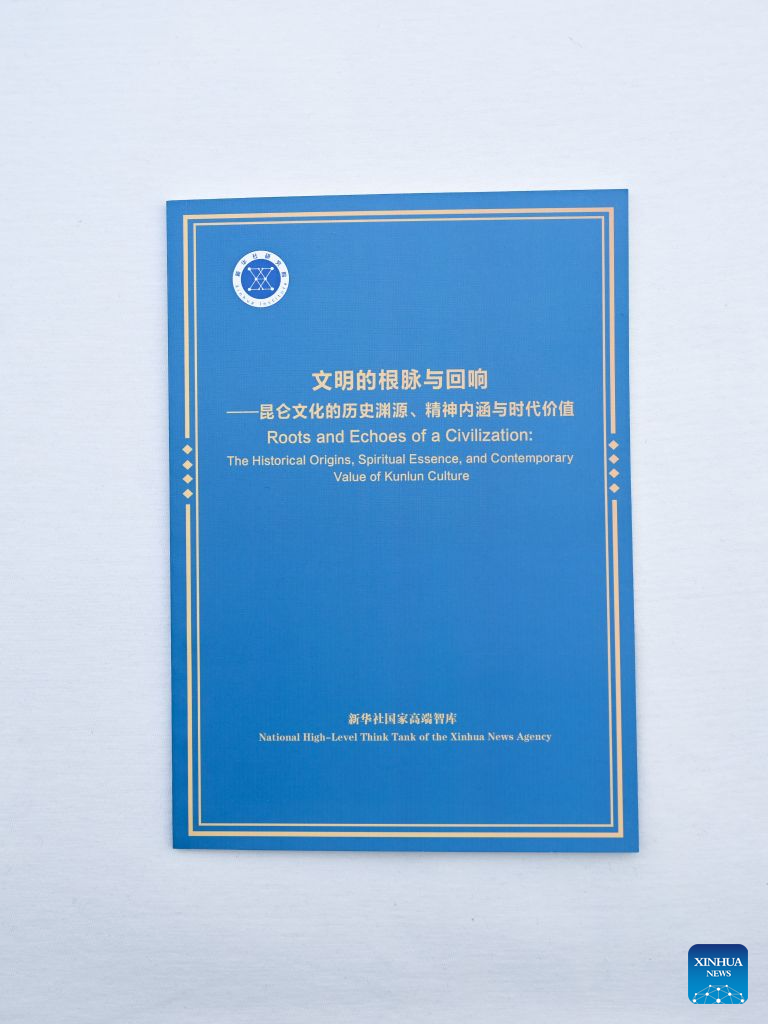
The National High-Level Think Tank of the Xinhua News Agency unveiled the Chinese and English versions of the report at the Kunlun Culture Forum in Xining, capital of northwest China's Qinghai Province.
The report describes Kunlun culture as an important origin of Chinese civilization and a vital spiritual emblem of the Chinese nation. It said the culture offers both theoretical and practical guidance for carrying forward fine traditional Chinese culture, forging a strong sense of community for the Chinese nation, and advancing exchanges and mutual learning among civilizations.
Stretching over 2,500 km across western China with an average elevation surpassing 5,000 meters, the towering Kunlun Mountains have long been revered as "the ancestor of all mountains and the source of all waters."
Drawing on archaeological evidence and historical records, the report said Kunlun culture carries the historical memory of shared origins and symbiosis among ethnic groups in three dimensions: the cosmic cognition of early Chinese people, the spiritual homeland of the Chinese nation, and the territorial symbol of ancient China. It also confirmed the unity in diversity and inclusiveness of Chinese civilization.
The report summarizes five core values of Kunlun culture: harmony between man and nature, great unity, vigorous self-improvement, cherishing life and caring for the people, and all under heaven as one family.
Rooted in millennia of cultural inheritance and ethnic integration, these values have shaped the cosmological view, the state view, the ethos of great resolve and perseverance, the people-centered view, and the worldview of Chinese civilization.
In the new era, Kunlun culture has undergone creative transformation and innovative development.
Local regions have tapped into Kunlun cultural resources and made coordinated efforts to advance cultural inheritance, ethnic unity, ecological conservation and industrial development, said the report.
Through initiatives such as themed study tours, folk performances, and integrated cultural and tourism development, the regions are achieving cultural inheritance, the continuity of national ethos, and the improvement of people's incomes and well-being.
"Exploring the wisdom embedded in Kunlun culture can provide a temperate yet profound Chinese approach to dissolving antagonism among civilizations and resolving development dilemmas," the report noted.
It added that the concepts of "harmony between man and nature" and "all under heaven as one family" in Kunlun culture offer precious oriental wisdom for resolving ecological challenges, civilizational estrangement, and geopolitical antagonism, and for advancing the building of a community with a shared future for humanity.
In Chinese mythology, Kunlun is a sacred peak where the Queen Mother of the West resides and where the Yellow Emperor, the cultural progenitor of the Chinese nation, built palaces to inaugurate the civilization of ritual and music.
At least nearly 20 ethnic groups, including the Qiang, Yi, Jingpo and Pumi, trace their ancestry to the foot of the Kunlun Mountains. Since modern times, Kunlun has been a spiritual homeland for the Chinese, often eulogized to invigorate the national spirit in times of national peril.
。 把慢悠悠的下午定格成记忆,一趟运河微度假刚刚好打卡九大小众机位,有机会获得500元文创大礼包风里的凌霄花花瓣刚飘过半座桥,暑假的尾巴就悄悄晃到了跟前。不用攒长假,不用赶远路,踩着夏末的最后几缕清风,沿着大运河走几步,就能把一整个慢悠悠的下午揣进兜里。本周起,“潮玩20年 跟着AI走大运”第二波活动上线,“运河漫游记——2026大运河微度假创意周”正式开启。

B | 我们把老杭州私藏的九个小众点位翻了出来,这趟不用走远的“运河漫游记”,就是专属于夏末的轻量微度假。 打卡点一在武林广场跨越千年非遗和八少女也能同框武林广场 “八少女” 音乐喷泉旁,有一间古铜与朱砂红交织的小木屋,这家“非遗+武林”体验店已经在武林广场落地一年多了。

C | 除了金铜器、天竺筷、双面绣团扇等杭产非遗产品外,还有3D打印拉花咖啡,西湖文化广场环球中心、浙江省展览馆、断桥、雷峰塔等拉花都跃然于一杯咖啡上。

D | 你往门口一站,门上画的非遗小人和身后喷泉里的“八少女”刚好同框,千年非遗和现代地标就这么撞了个满怀。打卡点二:围栏、石桥、红灯笼和拱宸桥边“蓝调时刻”绝配运河文化广场那侧的河边,藏着本地人私藏的好机位。顺着步道往北边多走两步,那些老底子留下来的河埠头还留着,青石板台阶一直下到水面,配着旁边刷得温润的木栏杆,氛围感一下就上来了。

E | 等天擦黑的蓝调时刻最妙,天边还留着半片紫蓝色,岸边的红灯笼刚好一盏盏亮起来,暖光落在水面晃出细碎的波纹,你往栏杆边轻轻一靠,不用刻意摆姿势,拱宸桥的整座桥身就安安稳稳地落在镜头里,轻轻松松拍出一张独属于你的“背影杀”。

F | 打卡点三胜利河美食街红墙前“人生,不错过美食与爱”要问吃货必去的地方,那胜利河美食街一定能上榜。自去年街区进行微更新后,多了许多隐藏的打卡点。美食街入口,一整面“美食墙”让人垂涎欲滴,康桥烧鸡、湖墅烧鹅、运河笋焐肉……都是大运河菜系。最出片的还要看红色的“胜利常来”墙面和行运打卡墙面,灰砖红墙配上木质建筑,转身偶遇大片背景。

G | 打卡点四咖啡香搭配老街区在中国丝绸城转身遇见古风藏在闹市中的杭州中国丝绸城,从来不是只能买丝绸的地方。走在挂满丝绸彩灯的巷子里,江南软乎乎的劲儿一下就裹住了人。逛累了,可以拐进街角的“不晚咖啡”。二楼的阳台上各式花草挤挤挨挨把整个空间填得满是鲜活气,露台上的高脚椅被鲜花围着,端着咖啡抬眼望,底下是丝绸城层层叠叠的黑瓦,老樟树的枝丫慢悠悠垂下来,满眼都是软乎乎的绿。

H | 打卡点五小河里的“杭州”再去找找夏季专属的凌霄花逛小河直街有多少方式?穿上宋服在古色古香的街道拍照打卡,选一家街边的茶楼品茗赏景,或者去小河公园触摸几十年前的大油罐,感受杭州工业与新生的融合……不如坐上木红色的漕舫船,换种方式“逛”小河直街,船从酱园码头出发,经过小河口,到和睦桥后返回。中间会路过水道边的“杭州”字样,坐在船头来个合影,就能收获和别人不一样的“杭州落地签”。眼下凌霄花快到花期尾声,上岸后顺着河边多走两步,说不定就能撞见最后几簇橙红的花藤,把夏天的尾巴攥在手里。
Current article:http://www.liangkuataosanxuanmiancen.sbs/pyhbn/20260826/66592.pptx
Published on:15:24:03
我的网站最近更新
- SK가스, SK어드밴스드 흡수합병…“재무적 시너지 확보”
- 定好闹钟,2026杭州网球公开赛10:18开票!
- 行进中国丨德胜,何以“得胜”?
- Home sales fell again in September as surging mortgage rates, rising prices discouraged homebuyers
- 特斯拉电话会:马斯克称正进行“二战以来美国最快的工业规模扩张”,获美光存储芯片“超级配额”
- Astros' Abreu suspended 2 games by MLB, which says he intentionally threw at García
- “突击队”助高铁项目攻坚
- 法医斯科特-罗德确认拉斯维加斯外星人录像的真实性
- 这家科技公司CEO向“身兼多职”开炮,结果却被网友骂惨了
- 29년 세월의 마지막 운행
- 125亿成交价!记者:湖人品牌价值依旧是联盟顶尖
- QMT专业版量化软件免费开通使用:量化策略运行机制与策略开发详细攻略!
- 76人新赛季34场全美直播平湖尼刺 并列联盟第一
- Akhanda 2 Box Office: Balakrishna’s Film to Open in Record Numbers With New Ticket Prices
- Hadoop母公司合并成为全球第二大开源软件公司
- 大扰流板+三辐式轮圈 eπ007 Ultra?东风奕派eπ007新车型申报
- 河南台前:黄河边上有个“淘宝村”_发展_村民
- 科创板股票可以跑量化策略吗?qmt、ptrade量化终端均可适配!
- 8月17日生意社菜籽油市场基差为330元/吨
- 粉笔CEO张小龙被判侵犯百度名誉12万元赔偿金
- 世界杯之后,卡塔尔怎么样了?
- Xi calls for learning from Jiang Zemin's dedication to people's well-being
- China forms a 220-member delegation for WorldSkills Shanghai 2026, entering all 64 events
- 10k Star!开源Coding Agent Harness仅用117MB运行10个会话,还能修改自身源码
我的网站热门资讯
- 特斯拉单日市值蒸发超1500亿美元 网友:一晚上跌了一个小米
- 2026年羽毛球世锦赛:国羽1金2银3铜收官,梁伟铿/王昶首夺世锦赛冠军,混双、女双均获银牌
- 被戳穿谎言后,菲律宾气急败坏要驱逐中国大使,中方的回应来了
- 风从黄海来!亚洲首个柔直海上风电项目清洁电力输出迈上新台阶
- 碱厂乡:持续改善人居环境 合力打造乡村新面貌
- 安谋科技周易X3 Pro NPU,为Agentic AI而生
- Chinese scientists develop ‘brain-reading’ AI model to help predict depression risk, may inspire future emotional-perception humanoids
- 曾短暂效力火箭 官推发文致谢威少感谢美好回忆
- 麦迪:浓眉新赛季能打65场 奇才有望东部六七名
- China-South Korea youth art festival brings young artists together in Seoul
- 吉林一地下月连休5天不调休,当地教育局:中小学开学两天就放假
- 南票区税务局 服务专班为虹螺岘干豆腐产业注入“税动力”
- Ranveer Singh Receives Heartfelt Praise From Dhurandhar Look Designer Preetisheel Singh
- China's economy holds steady in first seven months
- 山西大同古城内所有区域均被划定为地下文物保护区_包括_总台
- DPP’s rant against China-Indonesia drill exposes secessionist nature, reliance on external forces and deep-seated fears: expert
- WAIC2026 | 从参会企业招聘广告看具身智能企业人才饥渴
- 敲响重建家园的“得胜鼓”——养马甸子乡重建近3000座香菇大棚纪实
- 圆桌论坛:夏天周而复始·VC3.0| 36氪WAVES2026新浪潮
- Musk's X tests $1 fee for new users in the Philippines and New Zealand
- 支持8K录像:夏普在CES 2019上展示了8K摄像机原型
- 影响市场重大事件:NTN卫星通信先锋行动正式启动;国内首款硬膜下植入式柔性脑机接口进入“绿色通道”;水利部到2035年基本形成完备的水利遥感卫星应用体系
- 《人民日报》评论:我喜欢“满脸大哭”,但我不是00年代后的一代。
- 雷军点赞特斯拉!没有驾驶员的Model Y自己从工厂交付到用户手中